The Difference Between a Logo and a Brand Identity System

Brand Identity

Jan 6, 2026
Introduction
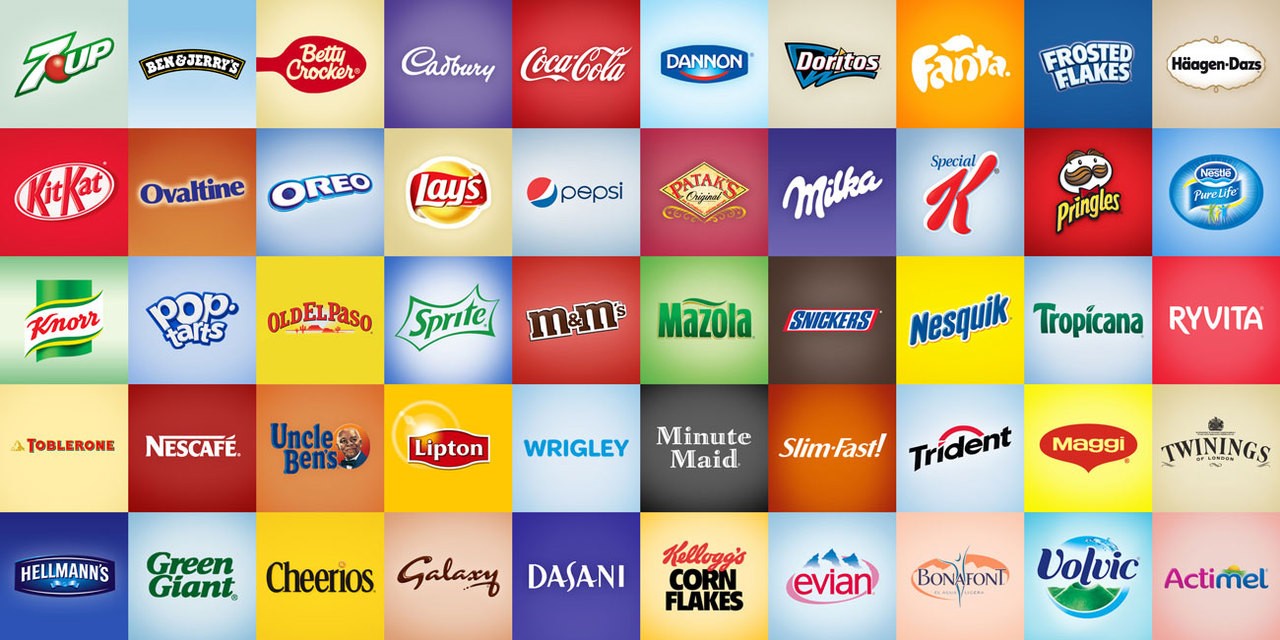
Most people think a logo is a brand. It isn't. A logo is one part of a much bigger system. Here's what a full brand identity actually includes, why it matters, and how getting it right from the start saves you time and money down the line.
Why it matters
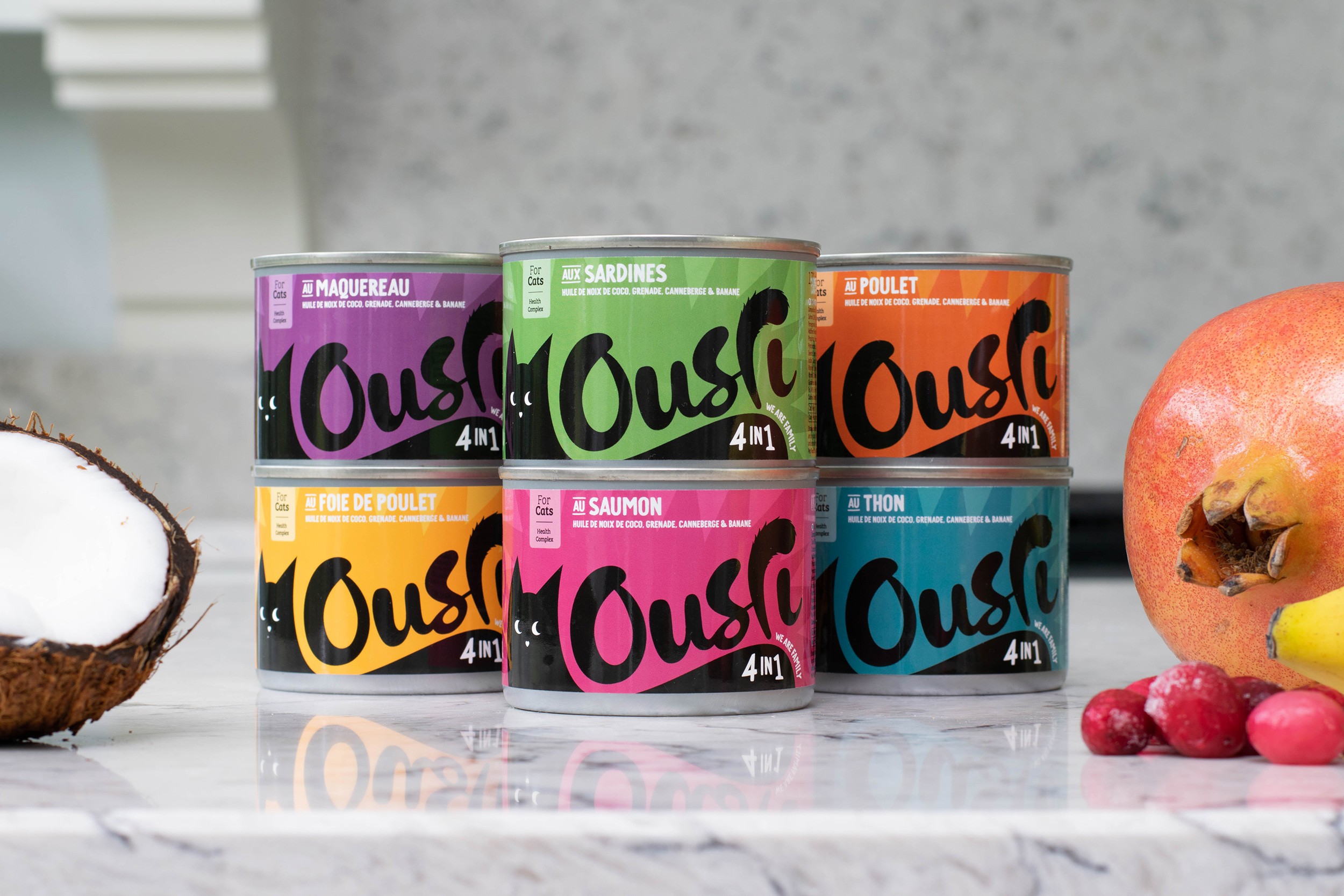
A logo on its own is just a mark. Without a system behind it, it falls apart the moment it's applied to packaging, a website, or a storefront. Inconsistency erodes trust. Customers who see a brand that looks different across touchpoints lose confidence in it. A full brand identity system ensures your brand looks and feels the same everywhere, every time.
What a brand identity system includes
Logo suite: Primary logo, secondary variations, icon, and usage rules
Colour palette: Primary and secondary colours with Pantone, CMYK, RGB, and HEX values
Typography: Primary and secondary typefaces with usage hierarchy
Visual language: Graphic elements, patterns, photography style, and tone
Brand guidelines: A document that explains how to use everything correctly
Tone of voice: How your brand communicates in writing
Common mistakes brands make
Buying a logo without building a system around it
Using inconsistent colours across print and digital
Letting suppliers or printers make design decisions without guidelines
Skipping brand guidelines and losing consistency over time
Redesigning the logo every few years instead of building on a strong system
Tools and resources
Brand guidelines software: Frontify, Canva for Teams, or a PDF document
Colour management: Pantone colour guides for print accuracy
Typography resources: Google Fonts, Adobe Fonts
Conclusion
A logo gets you started. A brand identity system keeps you consistent. If you're launching a food product, your packaging, your labels, and your digital presence all need to pull from the same system. Get the system right from the start and everything else becomes easier.

Usama Hussain